

Wearable fitness tech has become one of the biggest trends in the UK. More adults in their mid thirties to fifties are turning to smartwatches, rings, and tracking apps to keep an eye on their health. The conversation has shifted from simply counting calories to understanding sleep patterns, daily movement, heart rate, stress, and long term recovery.
The challenge is that with so much data available, it can be difficult to know which numbers matter and which ones are simply interesting but not important. The goal is not to obsess over every metric but to use the information to improve your training, not complicate it.
Why wearable tech is useful
Wearables shine a light on areas of your health that often get ignored. Sleep quality, stress levels, and day to day movement are all things we tend to underestimate. When you can see clear patterns, it becomes easier to make targeted changes that support your long term progress.
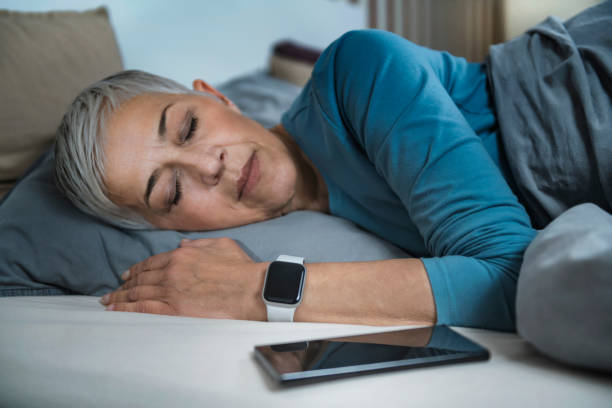
Sleep tracking helps you understand whether your evening routine is working or not. Many people discover they are not sleeping as well as they thought. Once you know the problem, you can fix the habit.
Step tracking gives you a realistic picture of your activity levels. Instead of chasing ten thousand steps every day, you can set a target that aligns with your lifestyle. A steady seven to nine thousand steps a day is more achievable for most people and still delivers real health benefits.
Heart rate monitoring helps you train at the right intensity instead of guessing. It also gives a good indication of recovery. Higher resting heart rate usually means your body is under more stress and could benefit from lighter training that day.
HRV tracking is becoming more popular because it gives a deeper look into your nervous system. Lower readings can point to stress, fatigue, or poor sleep. It is not a signal to avoid training but a guide to managing the intensity.
How to use the data without overthinking it
The biggest mistake people make with wearable tech is trying to interpret every number. You do not need to track everything all the time. Choose the data that actually influences your behaviour and forget the rest.
Focus on these questions:
• Are you sleeping enough and waking up rested
• Are you moving consistently through the day
• Are you training at the right intensity
• Are you recovering well enough to support your goals.
If your wearable helps you answer these, it is doing its job.
The takeaway
Wearable tech is not a replacement for smart training, strength work, good nutrition, and proper rest. It is simply a tool that gives you clearer insight so you can train with more purpose. Use it wisely and it will support your progress rather than overwhelm you.