
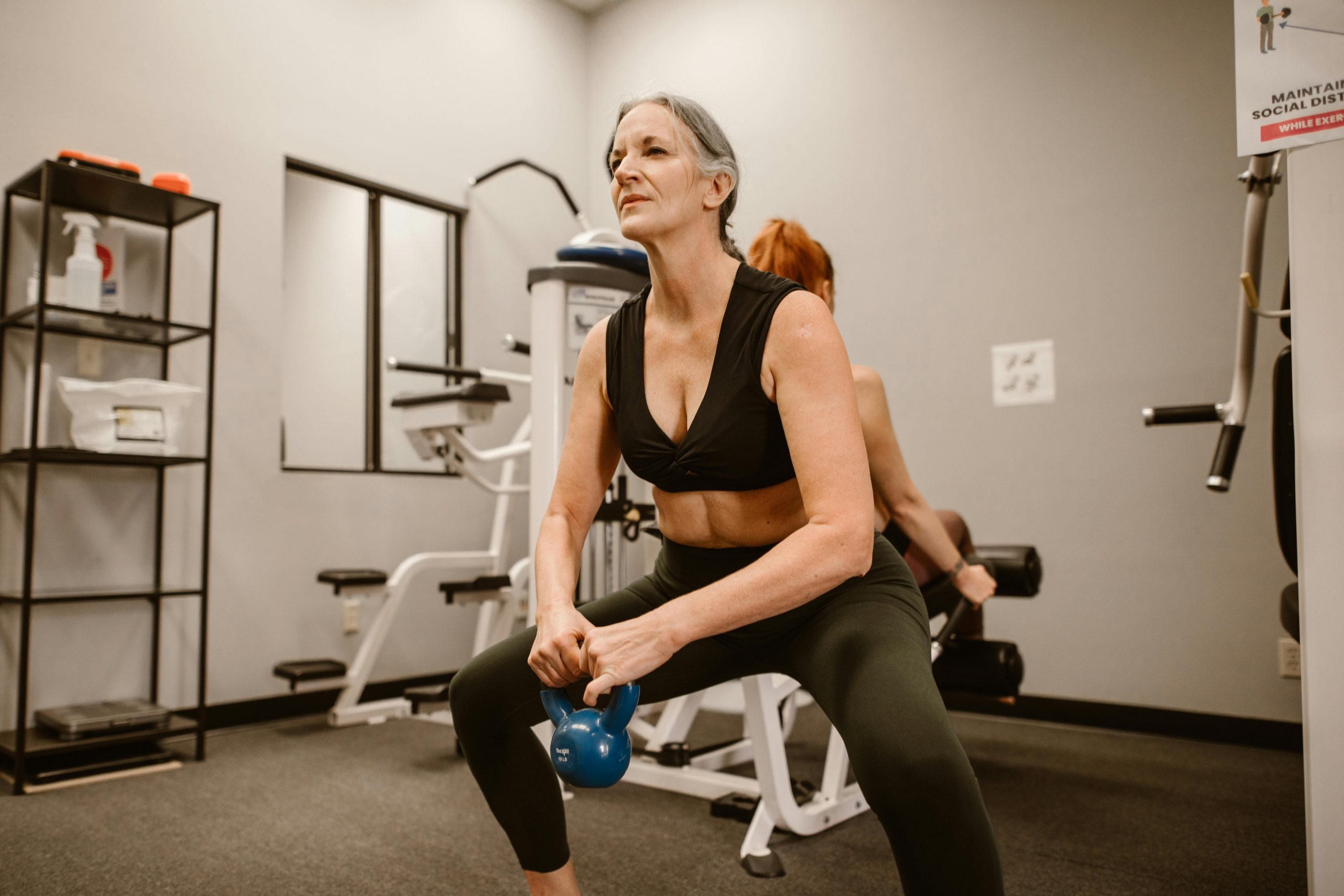
How fitness should change after 40 and why that is a good thing
- Olly
Reaching your late 30s or 40s often brings a shift in how your body responds to training. What once felt easy now takes more effort. Recovery slows. Energy fluctuates. Fat loss feels less predictable.
This can be frustrating, especially for people who have always been active or are returning to fitness with the goal of feeling strong and capable.
The reality is simple. Hormonal and physiological changes influence how your body adapts to exercise, nutrition, and stress. Fighting those changes rarely works. Working with them does.
Hormonal changes affect everyone
For women, perimenopause can begin years before menopause. Hormone levels fluctuate, influencing fat storage, sleep quality, mood, and recovery. Training and eating the same way you did in your 20s often leads to burnout or stalled progress.
For men, testosterone gradually declines with age. This affects muscle mass, bone density, and recovery capacity, particularly when stress levels are high and sleep is limited.
Understanding this allows you to train more effectively, not less.
Strength training protects your future
Muscle mass and bone density decline with age if they are not challenged. Strength training is one of the most effective tools for preserving both.
Regular resistance training improves posture, joint stability, metabolic health, and confidence. It also reduces injury risk and supports hormone balance.
This does not require extreme lifting. Consistency matters more than intensity.
Recovery is part of the plan
Midlife bodies need more recovery, not because they are weaker, but because life is more demanding.
Work stress, family commitments, and poor sleep all affect recovery. Training without accounting for this often leads to fatigue and frustration.
Walking, mobility work, proper sleep routines, and rest days are not optional extras. They are essential.
Nutrition should support performance and health
Under eating becomes more damaging with age. Low energy intake increases stress hormones, disrupts sleep, and promotes muscle loss.
Protein intake becomes more important. Fibre supports gut health and blood sugar control. Healthy fats contribute to hormone production and joint health.
Balanced nutrition supports long term results far better than restrictive dieting.
Bone health deserves attention
Bone density naturally declines with age, particularly for women after menopause. Strength training, impact based movement like walking, and adequate vitamin D intake all play a role in maintaining bone strength.
Strong bones support independence, mobility, and confidence later in life.
A smarter way forward
Training after 40 is not about doing less. It is about doing what works.
When training supports recovery, nutrition fuels performance, and expectations align with reality, fitness becomes sustainable and enjoyable again.
Ageing is not the problem. Ignoring how your body changes is.

Like this post? Share it on social media:
Facebook
Twitter
LinkedIn