
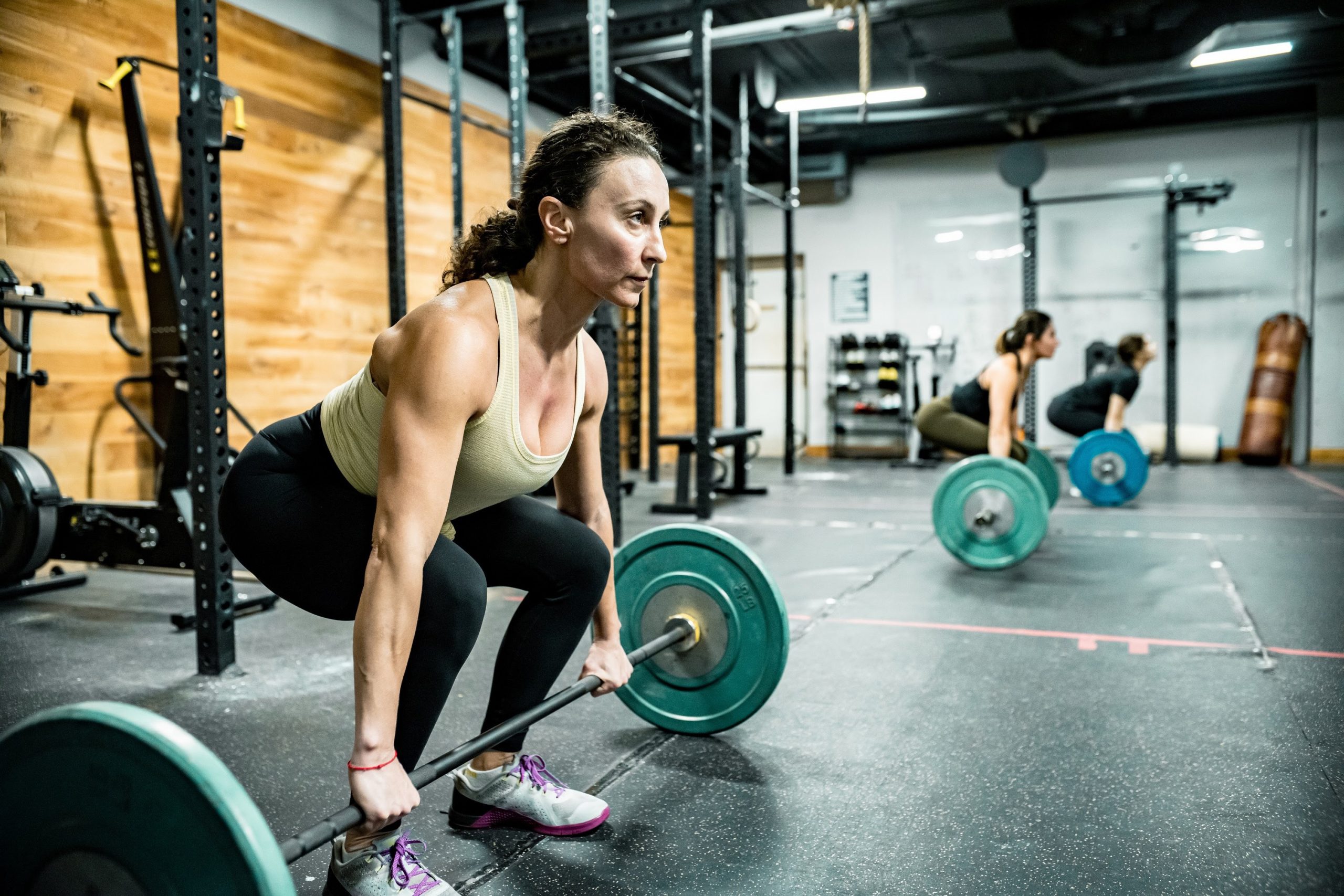
Strength training is no longer something that only athletes or younger gym goers care about. In recent years more adults in their forties and fifties have started lifting weights, not to chase numbers on a bar, but to stay strong, independent and confident as they age. Research in the UK now shows that one of the main reasons people start strength training later in life is to maintain quality of life and avoid losing mobility.
If you are between 35 and 55, you may have noticed how different your body feels compared to your twenties. You recover more slowly, muscle loss happens more quickly, and daily tasks can feel heavier than they used to. This is not a sign that you should slow down. It is a sign that you should focus on strength more than ever.
Strength training does far more than help you look lean. It keeps your joints stable, protects your bones, supports metabolism, improves balance, and gives you the ability to stay active for decades to come. Strong muscles are one of the biggest predictors of long term health and independence.

Here are some ways to build strength safely and effectively after 40.
Prioritise technique over load
There is no need to jump straight into heavy lifting. Begin with controlled movements and lighter weights. Good technique keeps you safe and helps you progress without injury.
Train consistently, not aggressively
Two to three strength sessions a week are enough to see real improvements in strength, mobility and energy. Consistency matters far more than trying to push to the limit every time.
Focus on useful movements
Choose exercises that support daily life. Squats, rows, presses, hip hinges and carries help you move better, improve posture and stay balanced. These are the movements that make you feel strong outside the gym.
Support your recovery
Sleep, hydration and protein intake all become more important as you age. Your body needs time and fuel to rebuild muscle tissue. Look after your recovery and your sessions will feel better and more productive.
Monitor how your body feels
Strength training should challenge you, not overwhelm you. If a joint feels painful or a movement feels wrong, adjust the exercise or reduce the load. Progress comes from smart training, not from pushing through discomfort.
Why this matters
Strength is not only for the gym. It is for climbing stairs without discomfort, carrying shopping without strain, maintaining good posture, keeping your back supported and staying active as the years go by. The stronger you are, the more freedom you have.
Final thought
The goal is not to train like an athlete. The goal is to stay healthy, capable and confident for as long as possible. Start building strength now and your future self will thank you.