
Managing Joint and Muscle Pain Without Stopping Your Training
- Olly
Joint and muscle pain is one of the biggest reasons people reduce or quit exercise altogether. Aching knees, tight hips, sore shoulders, or a stiff lower back can slowly chip away at confidence and motivation.
Many people assume pain is just part of getting older, or that it means exercise is no longer for them. In reality, pain is often a sign that something needs adjusting rather than stopping altogether.
With the right approach, training can reduce pain, improve movement, and help you stay active for years to come.
Pain is feedback, not failure
Pain is your body’s way of asking for attention. It does not automatically mean damage. More often, it reflects poor load management, limited mobility, weak supporting muscles, or rushed recovery.
Ignoring pain and pushing through rarely works long term. Addressing it early is what allows progress to continue.
The goal is to train in a way that supports your body, not fights it.
Strength protects your joints
Strong muscles take pressure off joints. When muscles around the knees, hips, shoulders, and spine are weak, joints are forced to absorb more stress than they should.
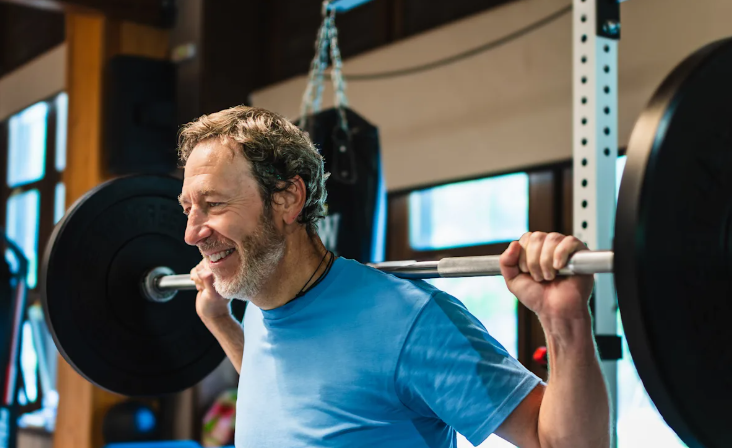
Strength training helps improve joint stability, posture, and movement control. This does not require heavy weights or complicated routines. Controlled movements, good technique, and gradual progression are far more important.
Strength training done well is one of the best tools for injury prevention, especially as you move through your 40s and beyond.
Warm ups matter more than you think
A proper warm up prepares your joints and muscles for the work ahead. It increases circulation, improves range of motion, and reduces stiffness.
This does not mean stretching randomly for ten minutes. A good warm up should match the session you are about to do and focus on the joints you will use.
Five to ten focused minutes before training can significantly reduce niggles and improve how you feel during your workout.
Mobility keeps you moving well
Mobility work helps joints move smoothly through the ranges you need in daily life and training. Limited mobility in one area often causes strain somewhere else.
For example, tight hips can affect knee comfort. Restricted shoulders can contribute to neck or upper back pain.
Regular mobility work does not need to be time consuming. Short, consistent sessions are enough to maintain movement quality and reduce unnecessary stress on the body.
Choose exercises that suit your body
Not every exercise suits every person. Some people thrive with running. Others feel better walking, cycling, or focusing on strength work.
If an exercise causes persistent discomfort, it is not a personal failure. It simply means an alternative is needed. There are always ways to train the same muscles without aggravating joints.
Sustainable fitness is about finding what you can do consistently and confidently.
Recovery is part of training
Rest days are not wasted days. They are when your body adapts and repairs.
As you get older, recovery becomes more important, not less. Poor sleep, high stress, and constant training without breaks increase injury risk.
Walking, light mobility, and gentle movement on rest days support recovery without adding strain.
The bottom line
Joint and muscle pain does not mean you should stop training. It means you should train smarter.
Strength, mobility, warm ups, and recovery all play a role in keeping you active and pain free. When training supports your body, fitness becomes something that improves your life rather than limiting it.
The aim is not perfection. It is longevity.

Like this post? Share it on social media:
Facebook
Twitter
LinkedIn