
Most adults in their late thirties, forties and fifties are juggling careers, family life and responsibilities that leave little space for long gym sessions. Even when you enjoy training, the simple truth is that time becomes tighter as life becomes fuller. This is why hybrid training models are becoming so popular in the UK. It is not a trend. It is a practical way to stay consistent when life is busy.
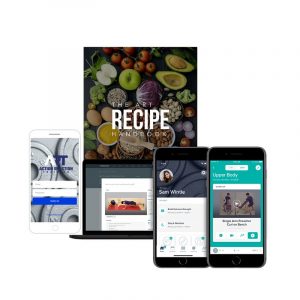
A hybrid routine means you combine your gym sessions with home workouts, online classes or shorter sessions that fit naturally into your week. It gives you flexibility without letting your training slide. You can still work towards strength, mobility and fitness goals, but you do not rely on a single environment to get everything done.

Here is why hybrid training works so well
It removes the all or nothing mindset
If you cannot get to the gym, you still have options. A simple home circuit, a short online class or a quick bodyweight session keeps your habit alive. You stay consistent and stop the feeling of losing momentum.
It fits around real life
Some days you may have an hour. Other days you may only have fifteen minutes. A hybrid routine allows you to match your training to the time you have. You do not need to choose between a perfect session or nothing at all.
It improves long term adherence
People in busy stages of life need something sustainable. When your routine is flexible, you are far more likely to stick to it. This is the difference between staying consistent and starting over every few months.
It supports well balanced training
Gym days can focus on heavier strength work. Home sessions can focus on mobility, conditioning or recovery. Together they give you a more rounded approach that keeps your body moving well.
How to build your own hybrid routine
1. Choose two main gym days
Prioritise your bigger strength sessions at the gym where you have access to proper equipment and space. These are your anchor points for the week.
2. Add one or two shorter home sessions
These can be bodyweight circuits, mobility flows, a kettlebell routine or a guided online class. Aim for twenty to thirty minutes. Enough to move well without needing a full setup.
3. Keep useful equipment at home
You do not need a full gym. A pair of dumbbells, a resistance band and a mat can cover a lot of ground. Simple tools, big impact.
4. Plan your week in advance
Look at your schedule, mark the days you know you can get to the gym, then slot in the home sessions where they fit. Make the plan realistic, not idealistic.
5. Accept that every week will look different
Hybrid training shines because it adapts with you. Some weeks you will hit more gym sessions. Other weeks you may lean on home workouts. Progress happens as long as you keep moving.
Final thought
A flexible routine is not a weaker routine. It is often the strongest one because it keeps you consistent through busy seasons of life. Build a structure that works with your lifestyle, not against it, and you will stay fitter, stronger and more confident year round.