

As the temperature drops and the evenings draw in, many people notice their appetite increasing. You might find yourself reaching for more hearty meals, sweet snacks, or second helpings. The truth is, this is not simply a lack of discipline. It’s biology.
When it’s cold, your body will burn more energy to stay warm. That increased energy demand can naturally drive hunger. Add shorter days, reduced sunlight, and more time indoors, and you have the perfect environment for emotional eating and extra snacking.
But here’s the good news: hunger is not your enemy. You just need to understand what your body is asking for and respond in a way that supports your goals rather than sabotaging them.
Here’s how to manage hunger this season:
- Build balanced, warming meals.
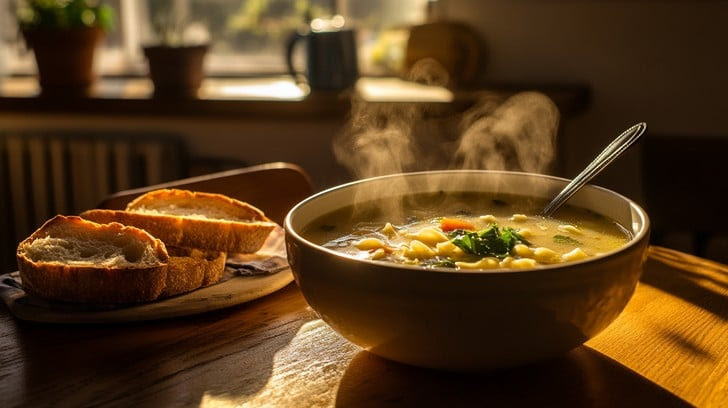
Make your main meals satisfying. Start with lean protein (chicken, fish, eggs, or tofu), add complex carbohydrates like rice, or root vegetables, and finish with healthy fats such as avocado or olive oil. Warming foods like soups, stews, and porridge oats provide comfort while keeping nutrition and hunger levels on point. - Stay hydrated.
We often forget to drink enough water in colder months. Dehydration can easily be mistaken for hunger. Herbal teas, lemon water, or even hot water with ginger count too. - Keep snacks strategic.
When you need a snack, choose something that gives your body real fuel, such as Greek yoghurt with fruit, boiled eggs, or a handful of nuts. Avoid constant grazing on biscuits and crisps, as that cycle keeps hunger and energy levels unstable. - Prioritise movement.
Training helps regulate hunger hormones. Even on days when motivation dips, move your body. A brisk walk, resistance session, or a swim helps your appetite stabilise and your mood lift. - Manage comfort cravings, don’t ban them.
It’s fine to enjoy a Sunday roast and the occasional dessert. The key is portion control and frequency. You don’t need to eliminate comfort food, just balance it with active days and nutrient-dense meals.
Final thought:
Winter cravings are not a sign of weakness; they’re a signal. Listen to your body but don’t let it lead you blindly. With consistency, hydration, and smarter food choices, you can satisfy your appetite and still stay lean and energised all season.