
How Much Protein Do You Really Need After 35?
- Olly
There is a reason some people feel like they train hard yet see fewer results in their late 30s, 40s and 50s.
It is not always an effort issue but more a fuelling one.
From our mid-30s onwards, maintaining muscle becomes less automatic, your body simply does not respond to training and nutrition in quite the same way it did in your 20s.
That does not mean progress stops, it means you need to be more intentional and protein intake is a big part of that.
Muscle is not just about appearance
Muscle supports:
- Metabolic health
- Joint stability
- Posture
- Injury prevention
- Blood sugar control
- Long term independence
Losing muscle gradually over time affects more than how you look, it affects how you feel and function.
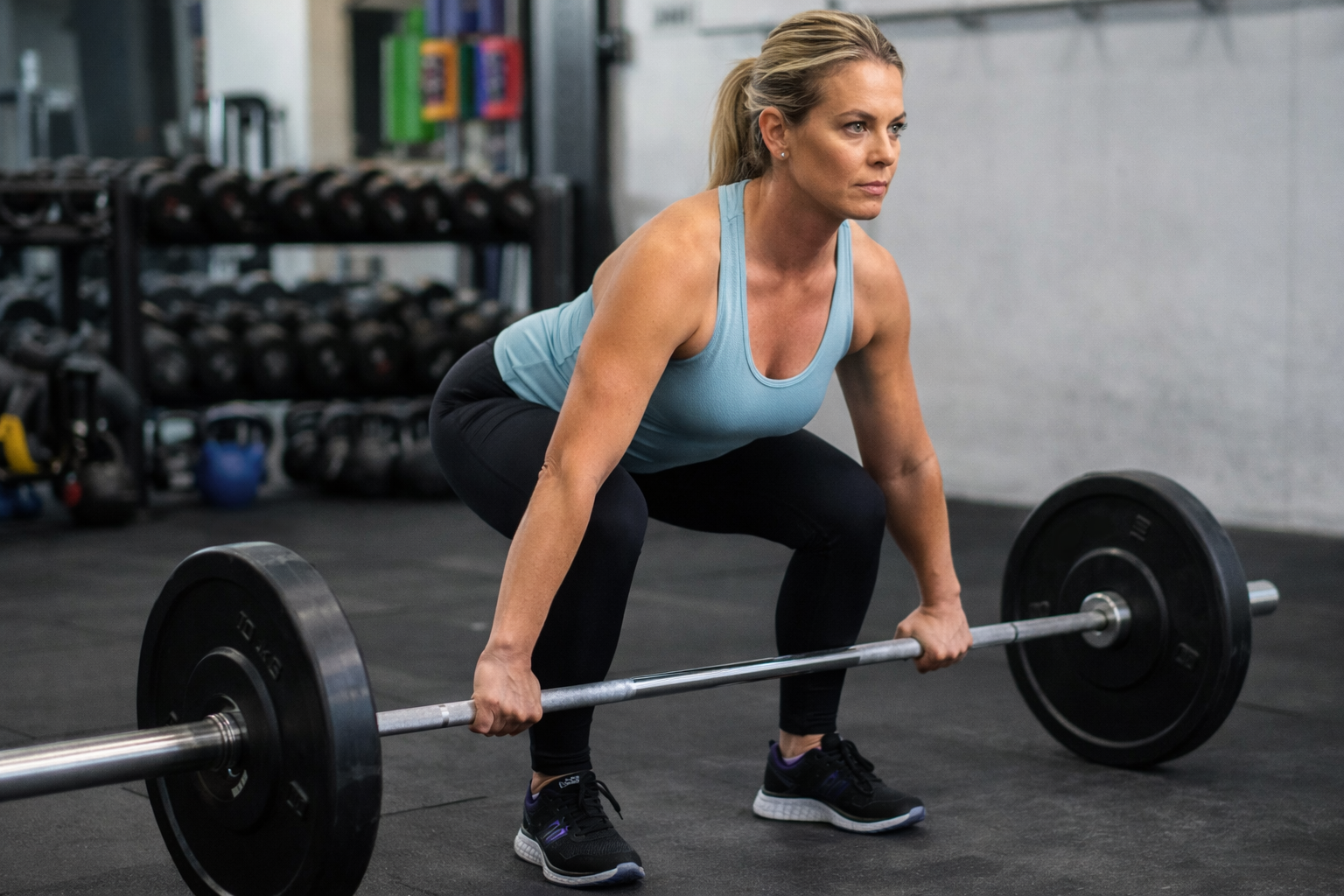
Strength training provides the signal to maintain muscle and protein provides the raw materials needed to support it.
If either is missing, then results slow down.
Why protein needs increase slightly with age
As we age, our muscles become less sensitive to small amounts of protein. This means we require a slightly higher intake to trigger muscle repair (MPS) and growth effectively.
This does not mean eating excessively, it means eating consistently and deliberately.
For active adults over 35 who lift weights, aiming for around 1.6 to 2 grams per kilogram of bodyweight per day is a sensible target.
For someone weighing 75kg, that is roughly 120 to 150 grams per day.
This NOT extreme, it’s scientifically backed.
Where people go wrong
The most common issues I see:
Skipping protein at breakfast
Under-eating during fat loss phases
Saving most protein for one large evening meal
Relying heavily on carbohydrates with minimal protein balance
Protein works best when spread throughout the day.
A simple structure:
Breakfast with 25 to 35g
Lunch with 30 to 40g
Dinner with 30 to 40g
Including optional high protein snack as and when needed, this alone can make a significant difference to recovery and muscle retention.
Fat loss and protein
If you are dieting, protein becomes even more important.
Higher protein intake helps preserve muscle when calories are reduced, it also improves satiety, making fat loss easier to sustain.
Cut calories too aggressively without maintaining protein, and muscle is often lost alongside fat.
And as we know by now this is not the goal.
The bigger picture
After 35, health is about preservation as much as progression.
Muscle is protective, protect it through strength training, support it with adequate protein and recover properly.
The basics are always simple and applicable no mater what, they just matter more now unfortunately.
Like this post? Share it on social media:
Facebook
Twitter
LinkedIn