
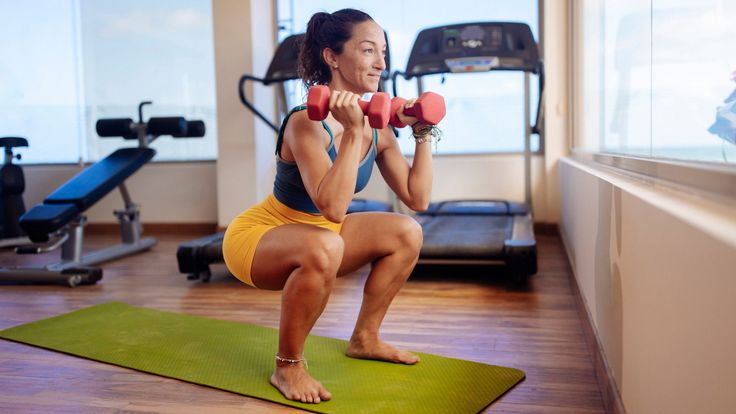
Bone Density, Impact Training and Long Term Health
- Olly
When people talk about exercise, the focus is often on muscle, fitness, body weight or appearance.
Bone health tends to receive much less attention.
That is a shame because our bones are living tissue and respond to the demands placed upon them. Regular exercise, particularly strength and weight bearing activity, can help maintain and improve bone strength.
Looking after your bones is not something that should only become important later in life. It is part of building a strong foundation for long term health.
Why exercise matters for your bones
Bones adapt to the physical demands placed upon them.
When your muscles work against resistance, they pull on the bones and provide a stimulus that helps maintain or improve bone strength.
This is one reason resistance training is useful for much more than building muscle.
Dumbbells, resistance bands, bodyweight exercises and gym equipment can all provide resistance, and the amount of resistance can be increased gradually as your strength develops.
The role of impact training
Strength training is only part of the picture.
Weight bearing impact exercise provides another useful stimulus because your feet and legs have to support your body while forces travel through your bones.
Walking and stair climbing provide lower levels of impact, while jogging, skipping, dancing and tennis provide greater impact. Moderate impact exercise can help improve bone strength.
This is one reason a varied exercise routine can be useful for long term health.
Do you need high impact exercise?
No.
More impact is not automatically better.
The Royal Osteoporosis Society recommends building impact exercise gradually, starting at a level that matches your current fitness and muscle strength. High impact exercise is not specifically required for people with osteoporosis, as moderate impact exercise can provide benefits for bone strength.
For someone who is new to exercise, simply increasing regular walking, using stairs and introducing appropriate strength training can be a good place to start.
You can then gradually increase the challenge as your fitness improves.
Strength training has benefits beyond bone health
One of the useful things about resistance training is that it supports several aspects of healthy ageing at the same time.
It helps build and maintain muscle strength, and stronger muscles can contribute to better balance and physical function.
This matters because maintaining strength and balance can help you remain physically capable and reduce the risk of falls as you get older.
Bone health is a lifelong investment
It is tempting to think about bone density as something to worry about much later in life.
In reality, the habits you build throughout adulthood matter.
Regular physical activity, strength training and appropriate weight bearing exercise can help support your bones while also keeping you stronger and more capable.
Nutrition matters too. The Royal Osteoporosis Society recommends a balanced diet with enough calcium rich foods alongside regular exercise and other healthy lifestyle habits.
Exercise needs to be appropriate for you
Not everyone should suddenly start running, jumping or performing high impact exercises.
If you have osteoporosis, previous spinal fractures, multiple fractures or another condition that affects your ability to exercise safely, your programme may need to be adapted.
The Royal Osteoporosis Society recommends speaking with a doctor or physiotherapist if you have concerns about your individual situation.
For most people, the important principle is simple: start at an appropriate level and gradually build from there.
The bottom line
Strong bones are part of being physically capable for life.
You do not need extreme workouts or complicated programmes to support bone health.
Regular strength training combined with appropriate weight bearing activity can provide valuable stimulus for your bones while also improving muscle strength, balance and overall fitness.
Start where you are, progress gradually and make strength and movement part of your normal routine.
Your bones deserve to be trained too.

Like this post? Share it on social media:
Facebook
Twitter
LinkedIn